Freewill: A Handmade Rough Brush Font for Makers
The afternoon light was filtering through the studio window, casting long shadows across my worktable covered in wax drips and half-finished candle jars. I was staring at a blank label, trying to find the perfect words to describe the scent of "Midnight Sage," but the typography felt all wrong. My usual clean sans serif fonts looked too corporate, and the delicate script options felt too fragile for a product meant to be rugged and earthy. That is when I opened my font library and found Freewill. It wasn't just another typeface; it felt like a brushstroke made permanent, a digital tool that captured the raw energy of my handmade process.
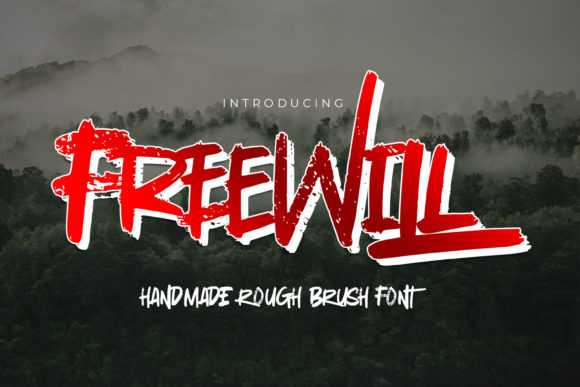
Freewill is a handmade rough brush font designed specifically for creators who want their work to feel authentic. Inspired by famous minimalist logos, this display font brings an immediate sense of movement and texture to any design. As I typed out "Midnight Sage" on my screen, the uneven edges and natural variation of the strokes made the text look as if it had been painted directly onto the paper with a worn-out brush. It transformed a simple label into a piece of art before I even printed it.
Capturing the Spirit of Handmade Goods
For anyone running a small shop or creating digital downloads, the visual language of your brand is everything. When customers see a product, they are looking for a story. Freewill tells a story of craftsmanship. The font's personality is bold yet organic, making it an ideal choice for brands that value authenticity over perfection. Whether you are designing packaging for artisanal soaps, creating stickers for planners, or crafting wedding invitations, this creative font adds a layer of warmth that pre-made templates often lack.
I tested the font immediately on a mockup for a set of greeting cards. The rough texture of the letters gave the cards a tactile quality, even though they were still just digital files. It reminded me of the days when I used to hand-letter every single tag for my holiday market stall. With Freewill, I could achieve that same handmade charm without spending hours painting each letter individually. This efficiency allows makers to focus more on the product itself while maintaining a high level of design consistency across their entire catalog.
Perfect for Headlines and Short Phrases
While Freewill is stunning, it is important to understand its best use cases. As a display font, it shines brightest when used for headlines, titles, names, and short decorative phrases. I found that using it for longer blocks of text could become visually overwhelming due to the heavy brush strokes and varying weights. Instead, I reserved Freewill for the main focal points of my designs—the product name on a tote bag, the date on a wedding welcome board, or the "Sale" banner on a social media graphic.
For body copy, pairing Freewill with a clean sans serif font creates a beautiful balance. The contrast between the wild, organic nature of the brush font and the structured simplicity of a modern sans serif makes the design easy to read while keeping it stylish. In one recent project, I used Freewill for the header of a printable wall art series and paired it with a simple geometric font for the inspirational quote below. The result was a cohesive design asset that felt both professional and deeply personal.
Bringing Designs to Life on Physical Products
The true test of any commercial font comes when it moves from the screen to the physical world. I spent a morning cutting vinyl decals for mugs and water bottles using my cutting machine. One concern with rough brush fonts is how the software interprets the jagged edges. Fortunately, Freewill holds up remarkably well. The strokes are thick enough to prevent small details from getting lost during the weeding process, ensuring that the final decal looks crisp and intentional rather than messy.
I also experimented with the font on fabric transfers for t-shirts. The boldness of the typeface made it perfect for streetwear-style graphics or casual boutique tees. When printed on cotton, the rough edges of the letters added a vintage, distressed look that resonated perfectly with the target audience. For those selling merchandise, having a reliable typeface that translates well across different materials—from glossy sticker paper to matte cardstock and soft textiles—is invaluable.
Beyond apparel and drinkware, Freewill has become my go-to for seasonal craft designs. I created a set of autumn-themed gift tags where the font's natural flow mimicked the feeling of falling leaves. The versatility of the font means it can adapt to various moods; it feels cozy and rustic for fall products but can also look fresh and energetic for summer collections depending on the color palette you choose.
Typography Tips for Cutting Machines and Printables
If you are planning to use Freewill for Cricut or Silhouette projects, there are a few practical tips to keep in mind. Because the font features rough edges, always check the size of your text before sending it to the cutter. Very small sizes might cause the machine to struggle with the intricate details of the brush strokes. For product labels or small stickers, ensure the text is large enough to maintain readability and structural integrity.
When designing printables, such as planner pages or digital wall art, consider the resolution of your final output. Freewill looks sharp at high resolutions, which is essential for professional-looking digital downloads. If you are offering these as instant downloads, make sure to export them in a format that preserves the vector quality of the font, or embed the font correctly if distributing editable files.
Licensing and Commercial Use for Sellers
As a maker, understanding the licensing terms of your design assets is crucial. Before integrating Freewill into any product intended for sale—whether it is a physical item like a mug or a digital file like an SVG cut file—you must review the included license. Most premium fonts come with specific guidelines regarding commercial usage. Ensure that the license covers the types of products you plan to sell, including merchandise, templates, and printables.
Check if the font includes alternate characters, ligatures, or swashes that can add extra flair to your logo design or editorial layouts. These special glyphs can help you create unique variations of your brand name or headline, setting your shop apart from competitors. Additionally, verify multilingual support if you plan to expand your business internationally. Having a robust font family that supports various languages ensures your brand identity remains consistent no matter where your customers are located.
Incorporating Freewill into my workflow has changed how I approach branding. It bridges the gap between digital precision and handmade soul. From the first time I saw it render on my screen to the moment I held a finished candle label in my hands, the font delivered exactly what I needed: a voice for my creations that feels genuine, bold, and free. For fellow crafters, Etsy sellers, and stationery designers, this typeface is more than just a tool; it is a partner in bringing your creative vision to life.